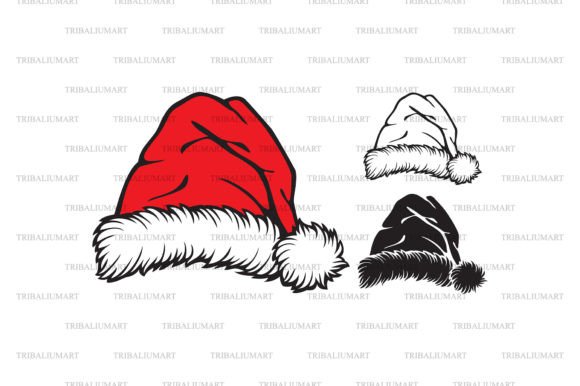
Christmas Retro Gift: A Designer's Take on Holiday Stitching
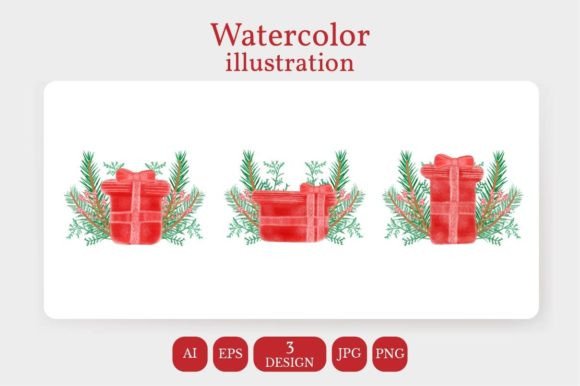
When I first pulled up the Christmas Retro Gift file on my screen, the immediate feeling was one of nostalgic warmth. As a designer who spends countless hours analyzing machine embroidery design files for client projects, I look for more than just pretty shapes; I look for personality and technical viability. This piece falls squarely into the Illustrations category, offering a visual narrative that feels like a snapshot from a mid-century holiday card. The lines are clean, the composition is balanced, and the theme hits that sweet spot between vintage charm and modern minimalism that is currently dominating the handmade market.
First Impressions and Visual Personality
The layout of Christmas Retro Gift suggests a deliberate hand. It doesn't feel like a generic clip-art conversion; rather, it possesses a distinct visual voice. The shapes are bold enough to read well from a distance, which is crucial for items like tote bags or sweatshirts, yet they retain enough internal detail to reward close inspection. For an Etsy seller or a boutique owner, this kind of design asset is gold because it instantly communicates a specific mood—cozy, traditional, and thoughtful.
In terms of stitch execution, the design appears to rely heavily on a mix of satin stitch for outlines and textural elements, paired with fill stitch areas to create solid blocks of color. This combination is generally reliable for home machines and commercial setups alike. The retro aesthetic often benefits from slightly lower stitch density to avoid that overly stiff, plastic-like feel, allowing the fabric texture to peek through slightly, which adds to the vintage authenticity. However, without seeing the specific embroidery file settings, one must remain cautious about how those fill areas are programmed to ensure they don't become too dense for lighter fabrics.
Real-World Application: The Holiday Tote Scenario
To truly evaluate Christmas Retro Gift, I imagined a specific real-life scenario: producing a limited run of custom canvas tote bags for a local coffee shop's holiday merchandise. This is a common request for craft business owners during the fourth quarter. Canvas is a forgiving medium, but it demands a design that can hold its own against a coarse weave.
In this context, the bold lines of the Christmas Retro Gift would perform exceptionally well. The running stitch details, if present in the finer elements, would need to be short enough to prevent snagging on the canvas loops, but the overall illustration style seems robust enough to handle it. Imagine this design stitched in cream and forest green thread on a natural beige bag. The contrast would be striking, creating a handmade product that feels premium rather than mass-produced. Customers walking into a shop are drawn to items that look like they have a story, and this design delivers that narrative instantly.
Beyond totes, this design is a strong contender for sweatshirt embroidery. The retro vibe pairs perfectly with the current trend of oversized, vintage-style hoodies. When placing it on a chest or sleeve, the scale of the hoop size becomes critical. If the design is large, it needs a stable hoop setup to prevent puckering on the knit fabric. For a small shop product line, offering this on both apparel and home goods like pillow covers creates a cohesive brand identity.
Technical Considerations and Fabric Challenges
While the aesthetic appeal is high, a professional reviewer must address the technical hurdles. Not every fabric plays nice with every digital embroidery file. If you plan to use Christmas Retro Gift on stretchy materials like jersey knits for baby embroidery projects, stabilization is non-negotiable. A cut-away stabilizer would likely be necessary to maintain the integrity of the illustration over time, especially since retro designs often feature geometric shapes that can distort easily if the fabric shifts.
Dark fabrics present another consideration. If stitching this onto a navy or black garment, the thread colors selected must have high luminance to ensure the retro details pop. A lack of contrast can muddy the illustration, turning a crisp design into a vague shape. Furthermore, if the design includes tiny lettering or very fine corners, these are potential failure points on textured fabrics like towels or thick wool blends. In such cases, simplifying the underlay or adjusting the pull compensation in your software before stitching is a wise move.
Curved surfaces, such as caps, require extra scrutiny. The Christmas Retro Gift layout might need to be adjusted or centered carefully to account for the curvature of a hat brim. What looks flat on the screen can warp significantly when stitched on a structured cap. For commercial embroidery jobs where consistency is key, running a test on a scrap piece of the actual production fabric is essential. Do not skip this step, even if the design looks perfect on a standard cotton swatch.
Enhancing Brand Value and Customer Trust
Ultimately, the choice of design impacts the perceived value of the finished product. Using a well-crafted illustration like Christmas Retro Gift signals to the buyer that care was taken in the creation process. It elevates a simple personalized gift into a keepsake. For apparel decorators and creative entrepreneurs, consistency in design quality builds trust. If a customer buys a holiday ornament with this design and loves the stitch quality, they are more likely to return for a custom apron or tea towel featuring the same art style.
The versatility of this design also aids in marketing. It works beautifully for printable mockups used in online listings, allowing sellers to visualize the product on various backgrounds before committing to production. Whether used for holiday embroidery gifts or year-round boutique branding, the retro theme has a timeless quality that avoids looking dated next season.
Practical Notes for the Studio
Before committing to a full production run, here are a few actionable steps for working with Christmas Retro Gift:
- Test on Scrap Fabric: Always stitch a sample on the exact material you intend to sell. Check for puckering, thread breaks, and registration issues.
- Check Thread Contrast: Ensure your chosen palette provides enough separation between elements, especially if selling on dark garments.
- Review Stitch Density: If the design feels too stiff after stitching, consider reducing the fill density in your editing software.
- Confirm Hoop Size: Verify that the design fits within your available hoop dimensions without needing excessive re-hooping, which can lead to misalignment.
- Inspect Small Details: Zoom in on the digital file to ensure tiny elements aren't too fragile for the intended fabric type.
- Licensing Verification: Since this is a design asset, always confirm the licensing terms regarding commercial embroidery and resale of finished items before listing products for sale.
In conclusion, Christmas Retro Gift stands out as a versatile and emotionally resonant choice for the holiday season. Its strength lies in its ability to bridge the gap between artistic illustration and practical embroidery project requirements. With careful attention to fabric selection and stabilization, it can become a staple in any maker's portfolio, driving engagement and sales for small business owners looking to capture the magic of the season.