Red Ribbon Christmas Card: A Designer's Stitch Review
When I first pulled up the Red Ribbon Christmas Card file on my screen, my immediate reaction wasn't just about the holiday spirit; it was about structural integrity. As someone who spends hours hooping fabric and trimming jump stitches, I look at every machine embroidery design through a lens of practicality. Does this actually stitch out well, or is it just a pretty picture that will puckers the moment the needle hits the cloth? This specific piece, categorized under Illustrations, carries a classic aesthetic that promises to elevate a range of handmade products, but it requires a thoughtful approach to truly shine in a commercial or personal setting.
The Visual Personality and First Impressions
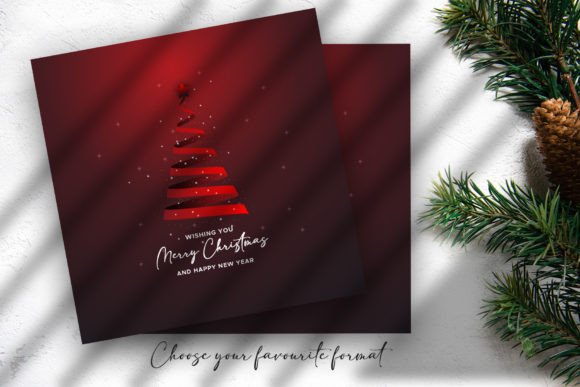
The mood of the Red Ribbon Christmas Card is undeniably warm and traditional. It captures that nostalgic feeling of handwritten notes and wrapped gifts without relying on overly complex shading that often gets lost in thread. The layout feels balanced, with a visual personality that suggests elegance rather than cartoonish whimsy. For an Etsy seller or a boutique owner, this distinction is crucial. You want a design that signals quality to your customer before they even touch the item.
In terms of detail level, the design strikes a nice middle ground. It isn't so dense that it becomes a stiff cardboard patch, nor is it so sparse that the fabric shows through awkwardly. The interplay between what appears to be satin stitch borders and potential fill stitch areas creates a nice texture contrast. When evaluating this for a custom apparel line, I immediately imagined how the red tones would pop against neutral backgrounds. It has the kind of visual clarity that works well for printable mockups too, allowing you to showcase the finished product online with confidence.
Real-World Application: The Holiday Tote Scenario
To really test the viability of this design, I mentally walked through a recent project request: a batch of custom canvas tote bags for a local bakery's holiday gift sets. This is a perfect real-life scenario for the Red Ribbon Christmas Card. Tote bags are sturdy, but they have a weave that can be tricky. If the stitch density is too high, the bag becomes rigid; too low, and the design looks amateurish.
Using this design on a natural cotton tote would create a striking personalized gift. The ribbon motif ties directly into the concept of giving, making it an intuitive choice for packaging or the gift itself. I can see this working beautifully as a central focal point on the front of the bag. However, if you are planning to use this for sweatshirt embroidery, you need to consider the drape of the fleece. A heavy illustration style might weigh down a lightweight hoodie, so checking the file properties for column width and pull compensation is essential before committing to a production run.
For those running a craft business, versatility is key. This design could easily transition from a tote bag to a kitchen towel or a festive pillow cover. The thematic consistency allows you to build a cohesive collection for the season. Imagine offering a matching set: a towel for the kitchen and a patch for an apron, both featuring the same Red Ribbon Christmas Card motif. This kind of bundling increases the perceived value of your small shop product and encourages larger basket sizes during the holiday rush.
Navigating Fabric Textures and Hoop Constraints
While the design is promising, there are areas where caution is warranted. Any time you deal with intricate illustrations, textured fabrics become a variable you cannot ignore. If you attempt to stitch this onto a thick terrycloth towel without the right stabilizer, the details of the ribbon might get swallowed by the loops of the fabric. I always recommend testing on scrap fabric first, specifically the same weight and texture you intend to sell.
Another consideration is the hoop size. Depending on the original scaling of the digital embroidery file, you might find yourself limited on where you can place it. Curved surfaces like caps or hats require extra attention. If the design has long, straight runs of stitching, they might pucker on the front panel of a baseball cap. For baby embroidery, such as on a onesie or a burp cloth, you must ensure there are no sharp, scratchy satin columns on the inside that could irritate sensitive skin. Always check the back of the stitch-out.
Dark fabrics present another challenge. If the Red Ribbon Christmas Card relies heavily on red threads, stitching it onto a black or navy garment might result in poor contrast unless there is an underlay or a white outline included in the file. If the file does not specify these layers, you may need to manually add a running stitch border or choose a lighter fabric to maintain the design's integrity. This is a common pitfall for new apparel decorators who assume a design will look the same on every colorway.
Enhancing Brand Value and Customer Trust
The ultimate goal of using a high-quality embroidery file is to boost your brand's reputation. A clean, crisp stitch-out tells the customer that you care about quality. Sloppy stitching, on the other hand, can destroy trust instantly. The Red Ribbon Christmas Card, when executed correctly, adds a layer of professionalism to your boutique branding. It shows that you curate your design assets carefully.
For commercial embroidery projects, consistency is everything. If you are producing fifty units for a corporate client, every single ribbon needs to look identical. This requires checking your thread tension and ensuring your machine is in top shape. The visual appeal of this design lies in its simplicity; it doesn't try to do too much, which reduces the risk of errors during a long production run. This reliability translates to better buyer engagement and fewer returns.
Practical Notes for the Serious Maker
Before you list this as a holiday embroidery item in your shop, take a moment to review the technical specifics. Since exact stitch counts and format compatibility weren't provided in the initial overview, you must verify these details with the source file. Check if the design includes multiple thread colors that might require frequent changes, which can slow down production. Inspect the small details—are there tiny lettering elements or fine corners that might bunch up?
- Test extensively: Run the design on a variety of fabrics, from woven cottons to stretchy knits, to see how the stabilizer holds up.
- Check contrast: View your test stitch-outs in black and white photos to ensure the shapes remain distinct without color reliance.
- Verify licensing: Confirm whether the license allows for unlimited commercial sales of finished items or if there are restrictions on selling the digital file itself.
- Assess density: If the design feels too stiff after stitching, consider reducing the fill density in your editing software if you have the skills to do so safely.
In conclusion, the Red Ribbon Christmas Card offers a solid foundation for a variety of festive projects. It bridges the gap between artistic illustration and functional embroidery project requirements. Whether you are creating a one-off personalized gift for a family member or stocking your online store with seasonal goods, this design has the potential to perform well. Just remember that the magic happens in the execution. Pay attention to your materials, respect the limitations of your hoop and machine, and always prioritize the tactile experience of the final product. With the right preparation, this design can be a standout star in your holiday collection.