Review: Christmas Cat Distressed Sublimation Bac for Embroidery
As a designer who spends more time staring at stitch simulations than most people spend on their phones, I approach every new machine embroidery design with a healthy dose of skepticism. We've all been there: you buy a file based on a glossy thumbnail, only to find out the stitch density is so high it turns your fabric into cardboard, or the details are so fine they vanish under the needle. So, when I got my hands on the Christmas Cat Distressed Sublimation Bac, I didn't just look at the preview; I started thinking immediately about how this would translate from a digital illustration into a tangible, stitched reality.
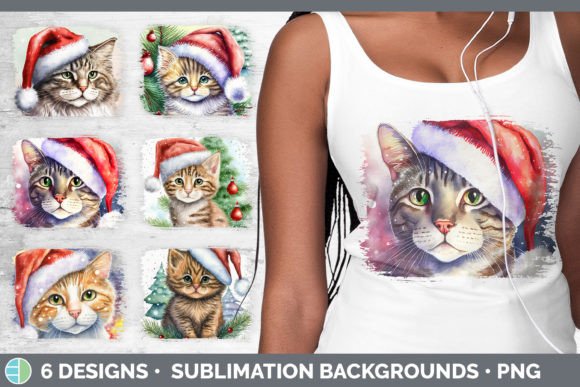
The first thing that strikes you about this piece is its mood. It falls squarely into the Illustrations category, but it's not your typical crisp, vector-sharp holiday graphic. The "distressed" element suggests a vintage, worn-in aesthetic that is incredibly popular right now in boutique apparel. For an embroiderer, this is both a blessing and a challenge. A distressed look often relies on broken lines and irregular textures to create character. In the world of digital embroidery file creation, replicating that organic feel without it looking like a mistake requires serious skill. My initial impression was that this design has a lot of personality—it feels cozy, slightly nostalgic, and perfect for the current trend of "lived-in" holiday style.
Visualizing the Stitch-Out: From Screen to Fabric
Let's get into the practical application. Imagine you are preparing a custom order for a local coffee shop that wants a limited-run holiday tote bag. They want something that doesn't look mass-produced. This is where Christmas Cat Distressed Sublimation Bac could shine. If executed correctly, the distressed texture can mimic the look of a screen print that has seen a few washes, giving the handmade product instant credibility and charm.
However, translating a sublimation-style graphic into thread requires careful consideration of thread colors. Sublimation often uses gradients and soft edges. In embroidery, we are limited by solid thread colors and specific stitch types like satin stitch, fill stitch, or running stitch. When reviewing this design, I'm looking closely at how the transitions are handled. Does the digitizer use short, varied running stitches to create the illusion of fading? Or do they rely on a dense fill that might lose the "distressed" nuance? For a project like a tote bag design made of canvas or heavy cotton, you have some room to work with density. But if you are planning sweatshirt embroidery on a fleece blend, too much coverage could make the area stiff and uncomfortable against the skin.
Real-World Scenarios and Product Fit
I recently considered using a similar aesthetic for a client's baby embroidery project—a holiday onesie. With Christmas Cat Distressed Sublimation Bac, I would proceed with extreme caution here. Babies have sensitive skin, and the back of the stitching (the "bac" in the title hints at this importance) needs to be clean. If the distressed effect is achieved through excessive jumping or complex layering on the underside, it might irritate a baby's neck or chest. For adult custom apparel like hoodies or caps, the risk is lower, but the fabric texture still dictates the outcome. A loopback French terry sweatshirt might swallow up fine details, making the distressed look just look "blurry" rather than artistic.
For Etsy seller scenarios, this design fits beautifully into the "gift for cat lovers" niche. Think about an embroidered patch that can be ironed onto a denim jacket or a backpack. Patches are forgiving; you can use a sturdy stabilizer and denser stitching to ensure the distressed details pop without worrying about the drape of the garment. This design could also work well on home decor items like pillow covers or kitchen towels, where the fabric is stable and the item isn't subjected to the same stretching as clothing. A holiday embroidery project on a tea towel allows the design to breathe, and the vintage vibe complements the rustic aesthetic many homeowners love during the holidays.
Navigating Technical Challenges
There are specific areas where you need to be careful with Christmas Cat Distressed Sublimation Bac. First, consider the hoop size. If the design is large, you might need to re-hoop, which can be tricky with distressed edges that need to align perfectly across sections. Misalignment here would ruin the intentional "worn" look and just look like a bad stitch-out.
Secondly, think about stabilizer choice. Because the design likely incorporates open areas or varied densities to achieve its look, using the wrong stabilizer could cause puckering or shifting. On stretchy fabrics like jersey knits, a cut-away stabilizer is almost always necessary to maintain the integrity of the design over time. If you are working on a curved surface like a cap, ensure the design isn't too wide or detailed in the corners, as the curvature can distort the image. Tiny lettering or intricate whisker details on the cat might get lost if the fabric pulls or if the thread tension isn't dialed in perfectly.
Commercial Viability and Brand Consistency
For those running a craft business, consistency is key. If you sell this as part of a small shop product line, you need to know that every unit will look the same. The nature of a distressed design means there is inherent variation, but it shouldn't look inconsistent due to poor digitizing. Before listing this as a printable mockup or selling the finished product, test it on both light and dark fabrics. Some designs rely on the background color to complete the distressed effect, while others carry their own "noise." Understanding this distinction affects your inventory and marketing.
Customer trust is built on quality. If a buyer receives a personalized gift where the cat's face looks muddy because the stitch density was too high for the thread weight, they won't return. Conversely, if the texture looks intentional and high-end, it elevates your brand. This design has the potential to be a standout asset for commercial embroidery projects, provided you respect its limitations.
Final Designer Notes and Recommendations
Before you commit to stitching Christmas Cat Distressed Sublimation Bac on a customer's expensive garment, follow these steps:
- Test on scrap fabric first: Use the exact same material and weight as your final project. This is non-negotiable.
- Check the underlay: Lift the sample and inspect the back. Is it messy? Are there long jumps that could snag?
- Review thread contrast: Ensure the thread colors you choose enhance the distressed look rather than fighting it. Sometimes a variegated thread can add to the effect.
- Verify licensing: Since this is categorized under Illustrations and potentially derived from sublimation art, confirm the license terms. Can you sell the physical item? Can you sell the embroidery file itself? Never assume.
- Mockup in black and white: This helps you see the value contrast and ensures the design holds up even if color isn't the primary focus.
In conclusion, Christmas Cat Distressed Sublimation Bac offers a compelling aesthetic for the modern maker. It bridges the gap between digital art trends and traditional needlework. However, its success lies entirely in execution. Treat it with the respect a complex applique design would demand, mind your materials, and you'll have a holiday hit on your hands. Whether it ends up on a cozy sweater or a festive wall hanging, this design proves that with the right approach, digital concepts can translate into beautiful, tactile realities.