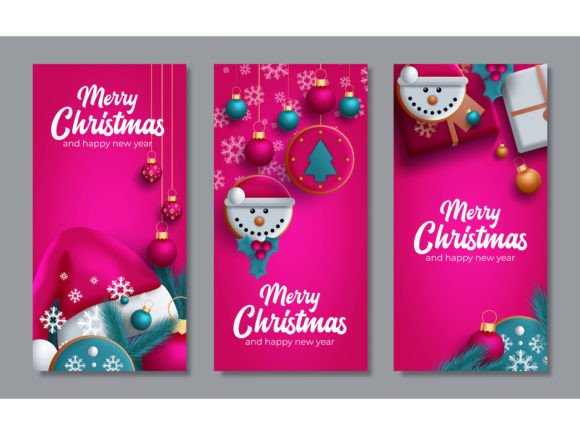
Review: Christmas Vector Poster Design for Holiday Embroidery
As a designer who spends more time staring at stitch simulations than most people care to admit, I approach new Illustrations with a specific set of questions. It is not just about whether the image looks cute on a screen; it is about how that image translates when a needle punches through fabric at 800 stitches per minute. Today, I am breaking down the Christmas Vector Poster Design to see if it holds up for real-world embroidery project use, from boutique holiday gifts to small shop merchandise.
My first impression of the Christmas Vector Poster Design is that it carries a distinct, modern festive mood. Unlike traditional, overly busy holiday motifs that rely on excessive detail, this design feels curated. The layout suggests a balance between bold shapes and negative space, which is crucial for embroidery. When you are working with thread, less is often more. The visual personality here leans towards something you might see in a high-end catalog or a trendy boutique, rather than a generic big-box store item. This makes it an excellent candidate for custom apparel where the wearer wants to feel stylish, not costumed.
Real-World Application: The Holiday Tote Scenario
To truly test the viability of this design, I imagined a specific client request: a set of reusable tote bags for a local bakery's holiday gift sets. The goal was to create a handmade product that customers would want to keep and use year after year. The Christmas Vector Poster Design fits this scenario perfectly. Its poster-style aesthetic implies a graphic quality that translates well into larger hoop size applications.
On a canvas tote, the design's lines would likely be rendered using a combination of satin stitch for borders and text, and a well-managed fill stitch for any solid graphical elements. Because tote bags are structural and flat, they provide an ideal canvas for the crisp lines this vector-inspired art promises. If I were stitching this for a client, I would anticipate a strong reaction from their customers. The design signals professionalism and care, elevating the perceived value of the baked goods inside. It moves beyond a simple decoration and becomes part of the brand identity.
Versatility Across Products
Beyond tote bags, this design has legs for various other applications. For sweatshirt embroidery, the bold nature of the artwork ensures it remains visible even on textured fleece or heavy cotton blends. A centered chest placement on a neutral-colored crewneck would look incredibly current. Similarly, for holiday embroidery on home goods like pillow covers or tea towels, the composition offers a focal point that doesn't overwhelm the room.
However, we must be realistic about where this design might struggle. While it shines on flat, stable surfaces, applying it to curved surfaces like caps requires caution. The "poster" aspect implies straight lines and geometric precision. On a structured cap, distortion can occur easily if the digitizing isn't perfect or if the fabric pulls during stitching. For baby embroidery, one must consider the scale. If the original vector contains fine details or tiny lettering, these might need simplification to ensure durability after multiple washes. Delicate items require robust stitching that won't pucker or irritate sensitive skin.
Technical Considerations for the Stitcher
Before loading this digital embroidery file into your machine, there are several practical steps to take. First, always test the design on scrap fabric that matches your final material. This is non-negotiable. You need to check the stitch density. If the design was originally created for print, the digital conversion to stitches might result in areas that are too dense, leading to stiffness or bird nesting. Conversely, areas that are too sparse might show the fabric underneath, ruining the clean look of the poster style.
Thread color contrast is another critical factor. This design likely relies on specific color blocking to achieve its visual impact. When selecting your thread colors, consider how they interact with the base fabric. A dark thread on a dark garment might lose the definition of the vector lines, while a light thread on a dark background needs sufficient underlay to prevent the fabric from peeking through. I recommend running a black-and-white mockup test first. If the design loses its shape without color, you may need to adjust the stitch types or add outlining.
Stabilizer choice is paramount. For a design with such graphic intent, you want zero movement. A cut-away stabilizer is often safer for garments that will be washed frequently, ensuring the finished product maintains its shape over time. For temporary items or decorations, a tear-away might suffice, but for commercial embroidery intended for sale, durability builds trust.
Business Value and Brand Consistency
For Etsy sellers and creative entrepreneurs, the choice of design assets directly impacts buyer engagement. The Christmas Vector Poster Design offers a level of sophistication that can justify a higher price point. Customers are increasingly savvy; they can tell the difference between a rushed, low-quality stitch job and a thoughtful, well-executed piece. Using a design with strong visual appeal enhances your brand consistency. It tells your audience that you care about aesthetics and quality control.
When creating printable mockups for your online shop, this design provides a strong foundation. Its clear lines photograph well, making it easier to showcase your small shop product listings. Whether you are selling a personalized gift or a ready-to-ship item, the professional look of the design helps convert browsers into buyers. It creates a sense of giftability; people want to give things that look expensive and well-made.
Final Verdict and Designer Notes
In conclusion, the Christmas Vector Poster Design is a strong contender for the upcoming holiday season, provided it is handled with technical care. It excels in applications where its graphic nature can be fully appreciated, such as tote bags, sweatshirts, and wall decor. However, it demands respect regarding fabric choice and stabilization. Do not assume that because it is a vector, it will automatically stitch perfectly. The transition from screen to thread always requires human judgment.
Before committing to a production run, verify the licensing terms. Ensure that the embroidery file allows for commercial use if you plan to sell the stitched items. Check the available formats to ensure compatibility with your specific machine brand. If the design includes an applique design element, prepare your materials accordingly. Finally, remember that the success of any embroidery project lies in the details. Take the time to trim jump stitches, press your work properly, and present the final item with pride. When done right, this design can be a standout asset in your holiday collection, bringing joy to recipients and revenue to your craft business.