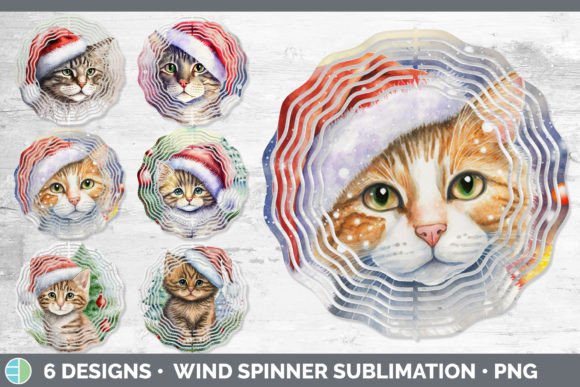
Review: Christmas Cat Painted Wind Spinner Sub Design
As a designer who spends more time staring at stitch simulations than most people spend watching TV, I approach every new machine embroidery design with a mix of excitement and skepticism. We've all been there: you buy a file based on a cute thumbnail, only to find out the stitch density is so high it turns your fabric into cardboard, or the details are so tiny they vanish under the needle. That's why I took a close look at the Christmas Cat Painted Wind Spinner Sub before committing it to any client projects. This isn't just about whether it looks cute on a screen; it's about how it performs as a finished product in the real world.
The first thing that strikes me about this piece from the Illustrations category is its mood. It captures that whimsical, slightly nostalgic feeling of a hand-painted holiday ornament, but translated into thread. The "painted" aesthetic suggests a softer approach to shading, likely utilizing a blend of fill stitch techniques to mimic brushstrokes rather than rigid, blocky color fields. For a craft business owner, this visual personality is gold. It feels less like a generic clipart image and more like a bespoke illustration, which immediately elevates the perceived value of whatever item you put it on.
Real-World Application: The Holiday Tote Test
To truly gauge the viability of the Christmas Cat Painted Wind Spinner Sub, I imagined a specific scenario: a custom order for a boutique client wanting a set of reusable holiday shopping totes. These aren't just give-aways; they are premium canvas bags meant to be used year after year. In this context, the design needs to hold up to friction, washing, and the occasional snag from a grocery bag handle.
The layout of this design seems naturally suited for a medium-sized placement on a tote bag design. The circular or flowing nature implied by a "wind spinner" theme works well on flat surfaces, allowing the eye to travel around the cat motif without hitting hard, awkward edges. If you were to attempt this on a sweatshirt embroidery project, the softness of the painted style would complement the fuzzy texture of fleece or French terry beautifully. Unlike sharp, geometric logos that can look harsh on soft knits, this illustrative style blends in, making the garment feel cozy and intentional.
For an Etsy seller looking to expand their holiday embroidery collection, this design offers versatility. It could easily transition from a tote bag to a kitchen tea towel or a decorative pillow cover. The key here is the "handmade" vibe. Customers paying a premium for a personalized gift want something that looks like it was crafted with care, not stamped out by a factory. The artistic flair of this sub-design delivers exactly that artisanal touch.
Technical Considerations and Fabric Choices
However, beauty means nothing if the stitching fails. When dealing with a design that mimics a painted look, one must be wary of stitch density. Painted effects often rely on subtle gradations, which in embroidery can translate to very dense satin columns or overlapping fill patterns. If you are planning to use this on a lightweight fabric, such as a thin cotton shirt or a delicate baby onesie for baby embroidery, you must proceed with caution.
Heavy density on light fabric leads to puckering, where the material gathers around the stitches, ruining the smooth lines of the cat and the spinner elements. My advice? Always test the embroidery file on a scrap piece of your actual production fabric first. If the design feels stiff or causes the fabric to warp, you may need to adjust your stabilizer strategy. A cut-away stabilizer is often safer for designs with significant coverage, ensuring the finished product maintains its shape after multiple washes.
Another critical factor is the hoop size. While I don't have the exact dimensions in front of me, wind spinner motifs can sometimes be tall or wide. Ensure your machine's hoop capacity matches the design requirements. Trying to force a large design into a small hoop by resizing it can distort the proportions, making the cat look squashed or the spinner blades uneven. For custom apparel like caps, the curved surface adds another layer of complexity. A detailed illustrative design like this might struggle on a structured cap unless the digitizing specifically accounts for the push-and-pull of the curved brim area.
Color Strategy and Visual Clarity
The success of the Christmas Cat Painted Wind Spinner Sub also hinges on your choice of thread colors. Since the design aims for a painted effect, it likely uses several shades to create depth. When working on dark fabrics, you need to ensure the lighter threads pop sufficiently. Conversely, on white or cream backgrounds, the outline stitches—possibly a running stitch or a fine satin border—need to be distinct enough to define the shapes without looking muddy.
I recommend creating a black-and-white mockup of the design before you ever thread the needle. This strips away the distraction of color and lets you see the contrast and definition clearly. If the details blur together in grayscale, they will likely get lost in the thread too. This step is crucial for maintaining professionalism and ensuring customer trust. Nothing kills a brand's reputation faster than a blurry, indistinct logo on a best-selling item.
Commercial Viability and Final Thoughts
For those running a small shop product line or selling design assets, the commercial potential of this design is strong, provided the licensing allows it. Always confirm the license terms before selling items made with this file. Assuming commercial use is permitted, this design fits perfectly into the current trend of whimsical, story-driven holiday decor. It appeals to cat lovers, which is a massive and dedicated market niche.
Whether you are creating an embroidered patch to sell as an add-on or decorating a full-sized blanket, the Christmas Cat Painted Wind Spinner Sub offers a charming aesthetic that stands out. It avoids the cliché of standard snowflakes and Santa faces, offering instead a unique narrative element. Just remember to respect the technical limits of your materials. Use the right stabilizer, check your tension, and never skip the test stitch.
In the end, a great digital embroidery file is a partnership between the artist's vision and the maker's skill. This design provides a delightful foundation, but it is your judgment on fabric selection and execution that will turn it into a cherished heirloom or a top-selling Etsy listing. Treat it with the care it deserves, and it will undoubtedly become a staple in your holiday collection.